The best way to choose the right vinyl flooring is to understand the different types, the key benefits, and how each option fits your space, budget, and lifestyle. Vinyl flooring has quickly become one of the most popular choices for homes and businesses because it’s stylish, durable, and affordable. It works well almost everywhere living rooms, kitchens, bathrooms, basements, and even high-traffic commercial areas.
But with so many options available, choosing the right one can feel overwhelming. Should you go with vinyl plank for a wood look? Vinyl tile for design flexibility? Or sheet vinyl for large, seamless coverage? And what about SPC or WPC? What makes them different, and which one lasts longer?
This simple guide breaks everything down in a way that’s easy to follow. You’ll learn the main types of vinyl flooring, the biggest benefits, and the most important factors to consider before buying. By the end, you’ll know exactly which vinyl flooring is the best match for your home or business and why it’s such a smart, long-lasting choice.
What Is Vinyl Flooring?
Vinyl flooring is a durable, water-resistant flooring material made from multiple layers of PVC designed to look like real wood, tile, or stone. It gives you the appearance of natural materials without the high price or maintenance. Modern vinyl floors include a realistic printed layer, a protective wear layer, and a stable backing that helps the floor resist scratches, dents, moisture, and everyday wear.
Because vinyl is waterproof, easy to clean, and comfortable to walk on, it’s one of the most popular choices for kitchens, bathrooms, basements, and busy areas in both homes and commercial spaces.
Vinyl flooring is widely recognized as a durable and versatile option, and major home improvement experts like Lowe’s vinyl flooring buying guide provide helpful insights for choosing the right type for your home.
Types of Vinyl Flooring
The main types of vinyl flooring are vinyl plank, vinyl tile, sheet vinyl, SPC, and WPC, and each one works best for different spaces and needs. Understanding how they differ makes it much easier to choose the right option for your home or business.
Vinyl flooring comes in several styles, and each offers its own look, feel, and level of durability. Some are better for moisture-prone areas, while others are ideal for comfort or commercial use. Here’s a simple breakdown of the most common types of vinyl flooring and what makes each one unique:
1. Luxury Vinyl Plank (LVP)
Luxury Vinyl Plank (LVP) is the best vinyl flooring option if you want the warm, natural look of hardwood without the high cost or maintenance. It’s designed to mimic real wood, but it’s much more durable and easier to care for. That’s why it’s a favorite in living rooms, bedrooms, hallways, and rental properties.
LVP is tough, scratch-resistant, and simple to install, which makes it ideal for busy homes with kids, pets, or heavy daily use. Homeowners love it because it gives the beauty of wood while performing better in areas where real hardwood often struggles, especially rooms with moisture, spills, or lots of foot traffic.
2. Luxury Vinyl Tile (LVT)
Luxury Vinyl Tile (LVT) is the best vinyl flooring choice if you want the look of stone or ceramic tile without the cold, hard surface. It’s waterproof, durable, and much more comfortable to walk on, which makes it ideal for kitchens, bathrooms, laundry rooms, and other moisture-prone areas.
People love LVT because it delivers the high-end style of real tile while being easier to clean, warmer underfoot, and simpler to install. It gives you a premium look without the hassle or maintenance that comes with traditional tile flooring.
3. Sheet Vinyl Flooring
Sheet vinyl flooring is the best choice when you need strong water resistance and a smooth, seamless surface. It comes in large rolls that cover big areas with minimal seams, which makes it great for bathrooms, basements, laundry rooms, and other moisture-heavy spaces.
Homeowners often pick sheet vinyl when they want something affordable, waterproof, and fast to install. It delivers a clean, uniform look at a budget-friendly price and gives you excellent protection against spills and everyday wear.
4. Vinyl Composition Tile (VCT)
Vinyl Composition Tile (VCT) is the best vinyl flooring option for high-traffic commercial spaces because it’s extremely durable and built to handle constant daily use. That’s why you’ll see it in schools, hospitals, retail stores, and other busy environments.
VCT is long-lasting, easy to maintain, and very cost-effective over time. One of its biggest advantages is that individual tiles can be replaced if they get damaged, which keeps repair costs low and makes upkeep simple. For any business that needs dependable, hard-wearing flooring, VCT is a practical and reliable choice.
5. Stone Plastic Composite (SPC) and Wood Plastic Composite (WPC) Vinyl Flooring
SPC and WPC vinyl flooring are rigid-core options, but SPC is built for strength while WPC is built for comfort. Both look like real wood or tile, but the core material is what makes them different.
SPC flooring has a dense, stone-based core that makes it extremely tough and stable. It resists dents, handles heavy foot traffic, and works well in commercial areas or busy rooms at home. If you need something strong and long-lasting, SPC is the better choice.
WPC flooring has a softer, wood-based core that feels warmer and more comfortable under your feet. It’s quieter, slightly cushioned, and perfect for homes, apartments, bedrooms, and living spaces where comfort matters more than toughness.
Both SPC and WPC come in beautiful designs, but SPC focuses on durability while WPC focuses on comfort, making it easy to choose based on what your space needs most.
Benefits of Vinyl Flooring
The main benefits of vinyl flooring are that it’s waterproof, affordable, low-maintenance, durable, comfortable, and available in a huge range of styles. These advantages make it one of the most popular flooring choices for homes and businesses today.
- 100% Waterproof: Vinyl flooring is completely waterproof, so it won’t swell or warp when exposed to spills, moisture, or humidity. This makes it a perfect fit for kitchens, bathrooms, laundry rooms, and basements.
- Budget-Friendly: Vinyl gives you the look of hardwood or tile at a much lower cost. It’s one of the most affordable flooring options, yet you can still find beautiful designs, textures, and finishes that match your style.
- Easy to Maintain: Vinyl floors need very little upkeep. A quick sweep or light mopping is usually enough to keep them clean. There’s no sanding, sealing, or special treatment required, which makes vinyl ideal for busy families.
- Durable and Scratch-Resistant: Vinyl is built to handle everyday life. The wear layer protects the surface from scratches, dents, stains, and heavy foot traffic, making it great for homes with kids, pets, or lots of activity.
- Soft and Comfortable Underfoot: Vinyl feels softer and warmer than tile or stone. It also helps reduce noise, which is especially helpful in apartments, condos, or multi-level homes.
- A Wide Variety of Styles: Vinyl comes in countless designs, including wood-look planks, stone-look tiles, matte finishes, textured surfaces, and more. Whether you want something modern, rustic, or traditional, there’s a vinyl style that fits your space.
Vinyl Flooring vs. Other Flooring Options
The best way to compare vinyl flooring to other options like laminate, hardwood, and tile is to look at how each one handles moisture, comfort, durability, and cost. Every flooring type has strengths, but vinyl stands out for its waterproof design, low maintenance, and affordability.
Vinyl vs. Laminate
Vinyl flooring is fully waterproof, while laminate is only water-resistant. Laminate can swell or warp when exposed to moisture, but vinyl handles spills, humidity, and daily messes without trouble.
Vinyl also feels softer, warmer, and quieter underfoot. Laminate can sometimes offer a slightly more realistic wood texture, but it usually needs more care and isn’t ideal for kitchens, bathrooms, or basements. If you want something moisture-proof and low-maintenance, vinyl is the better choice.
Vinyl vs. Hardwood
Vinyl costs far less than hardwood and is much more forgiving when it comes to water. It won’t warp, swell, or stain when exposed to moisture, making it safer for busy homes. Hardwood, however, adds long-term value and can last decades with proper care, but it needs regular maintenance like sanding, refinishing, and careful cleaning.
If you want easy upkeep and a lower price, choose vinyl. If long-term home value and natural beauty matter most, hardwood may be worth the investment.
Vinyl vs. Tile
Vinyl is softer, warmer, and more comfortable to walk on than tile, which can feel cold and hard. Vinyl is also faster and more affordable to install.
Tile, on the other hand, is extremely tough. It resists heat, scratches, stains, and heavy use, making it a great long-term option. But it comes with a higher price and requires more effort to install.
Choose vinyl for comfort and budget friendliness. Choose tile when you want maximum durability and don’t mind the higher cost.
How to Choose the Right Vinyl Flooring
The best way to choose the right vinyl flooring is to match the type of vinyl to your room, lifestyle, design preference, and budget. You can also explore our detailed service page on vinyl flooring to understand WPC and plank options more deeply. When you know what to look for, the decision becomes much easier.
1. Consider the Room
The room you’re flooring determines the best vinyl option. Choose LVT or sheet vinyl for kitchens, bathrooms, and laundry rooms because they are fully waterproof and handle moisture without any issues.
Choose LVP for living rooms, bedrooms, and hallways because it looks like real wood and feels warm and comfortable. For commercial areas or heavy traffic, SPC or VCT is the smartest choice because they are strong, stable, and built for durability.
2. Look at the Thickness and Wear Layer
The thickness of the vinyl and the strength of the wear layer directly affect how long your floor will last. For most homes, a 12–20 mil wear layer is perfect. For commercial use, choose 20–30+ mil to handle heavy daily use. A thicker wear layer means better protection from scratches, dents, and wear.
3. Choose the Right Core (SPC, WPC, or LVP)
The core of the flooring affects how it feels and performs.
SPC has a rigid, stone-based core that’s extremely tough and dent-resistant.
WPC has a softer, wood-based core that feels warmer, quieter, and more comfortable underfoot.
LVP offers great value and versatility for most rooms in a home.
Pick the core that matches your comfort needs and durability expectations.
4. Design and Style
Vinyl flooring comes in countless colors and patterns, so choose a style that fits your home’s look.
Popular options include natural oak, gray wood, and marble-look tile.
Check your wall colors, lighting, and furniture to make sure the flooring blends well with the rest of your space.
5. Installation Method
There are three main installation methods.
Click-lock vinyl is best for DIY projects because the planks snap together easily.
Glue-down vinyl is great for commercial spaces or rooms that need extra stability.
Loose-lay vinyl installs quickly and is ideal for temporary setups or spaces where you want easy removal or replacement.
6. Budget and Warranty
Factor in both the upfront cost and the long-term value.
Compare the price per square foot, but also look at the warranty.
A strong warranty shows the product is made well and gives you peace of mind for years to come.
Installation Options
Vinyl flooring can be installed professionally or as a DIY project. The best choice depends on your comfort level and the type of vinyl you choose.
Professional Installation
Hiring a professional is the best way to get a clean, smooth, and long-lasting result. A flooring expert handles the cutting, leveling, and seam placement, which is especially important in large rooms or areas with tricky layouts. If you want a flawless finish with no gaps or mistakes, professional installation is worth it.
DIY Installation
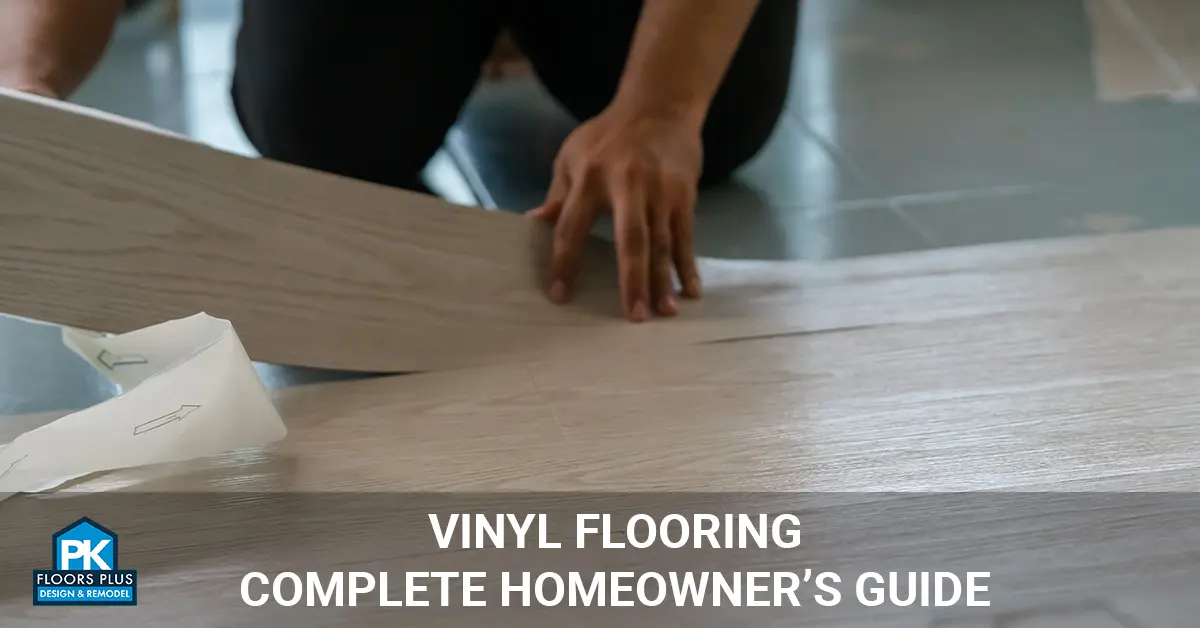
If you enjoy DIY projects, vinyl click-lock planks are one of the easiest floors to install yourself. The pieces snap together without glue, and you only need a few basic tools like a utility knife, tapping block, and measuring tape. It’s a beginner-friendly project and a great way to save on installation costs.
Vinyl Flooring Maintenance Tips
Taking care of vinyl flooring is simple, and a few easy habits can keep it looking new for years.
- Sweep Daily: A quick daily sweep helps prevent dust, dirt, and grit from building up and scratching the surface.
- Mop with a Mild Cleaner: Use a damp mop and a gentle floor cleaner to remove everyday messes. No harsh chemicals needed.
- Avoid Abrasive Scrubbers: Stay away from steel wool or rough pads. They can damage the protective wear layer.
- Use Felt Pads Under Furniture: Add felt pads to the bottom of chairs, tables, and heavy furniture. This helps prevent dents and scratches.
- Clean Spills Right Away: Even though vinyl is waterproof, wiping up spills quickly keeps the floor clean and prevents staining.
- No Waxing Required: Vinyl flooring doesn’t need waxing or polishing. Simple sweeping and mopping are enough to keep it looking good.
Final Thoughts
Vinyl flooring is one of the easiest ways to upgrade your space without spending a lot. It’s affordable, stylish, and strong enough to handle everyday life. With so many colors, textures, and installation options to choose from, it’s simple to find a design that fits your home and your budget. Whether you go with LVP, LVT, SPC, or any other type, you’re getting a floor that looks great, feels great, and lasts for years.