
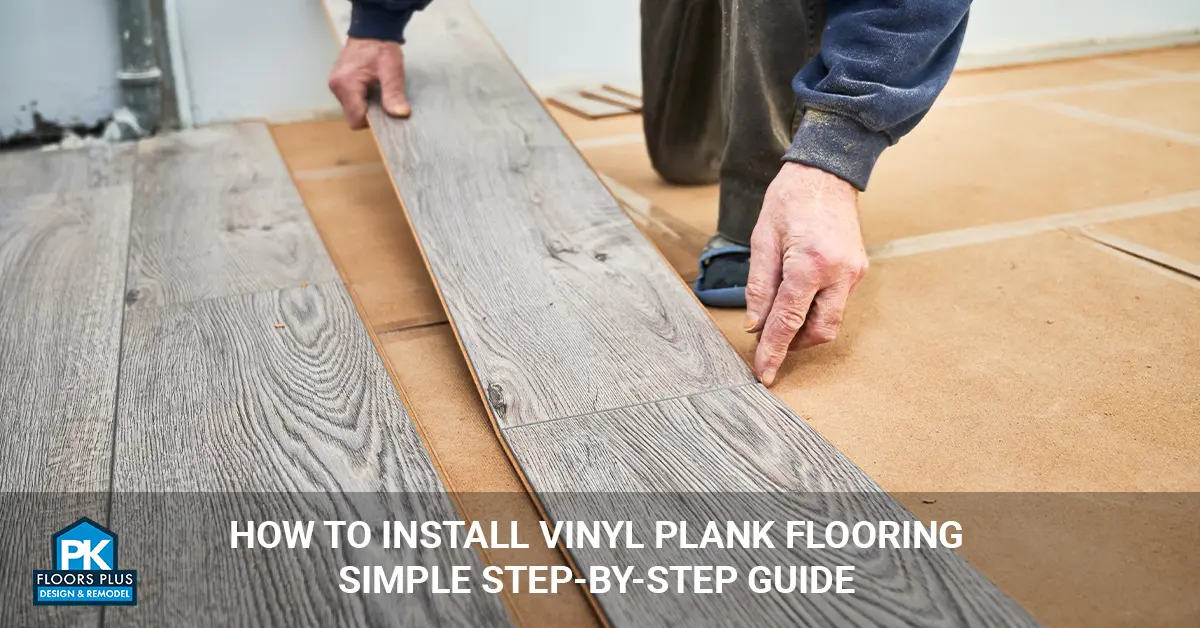
Installing vinyl plank flooring is much easier than most people think, especially because modern planks use a simple click-lock system that snaps together without glue or nails. That’s what makes LVP one of the most DIY-friendly flooring options on the market.
Vinyl plank flooring is not only affordable and waterproof, it also gives you the warm, natural look of hardwood without the high cost or complicated tools. If you’re looking for a flooring upgrade you can handle on your own, this is one of the best projects to start with.
Even so, it helps to understand the basics before you begin. Many homeowners wonder how to prepare the subfloor, what tools they actually need, and how to make sure the planks fit tightly together. The good news is that once you follow a few simple steps, the whole process becomes straightforward, even if it’s your first time installing flooring.
In this guide, you’ll learn everything from prepping the room and leveling the subfloor to laying your first row and finishing the edges. Each step is broken down clearly so you can get clean lines, tight seams, and a professional-looking finish. By the end, you’ll feel confident installing vinyl plank flooring yourself and proud of the beautiful results.
Tools and Materials You Will Need
The tools and materials you need to install vinyl plank flooring are simple and beginner-friendly, which makes this project easy for most homeowners to handle. Here’s everything you should have ready before you start.
Tools
- Tape measure
- Utility knife
- Spacers
- Rubber mallet
- Tapping block
- Pencil
- Straightedge
- Pull bar (for tightening the final row)
Materials
- Vinyl plank flooring
- Underlayment (only if your flooring brand requires it)
- Transition strips for doorways and connecting rooms
- Quarter round or baseboards to cover the expansion gap
With these basic tools and materials on hand, you’ll be fully prepared to start your installation and get clean, professional-looking results.
Before Installation Vinyl Plank Flooring: Important Preparation Steps
The most important step before installing vinyl plank flooring is preparing your room properly, because good prep makes the installation smoother and helps your new floor last longer. A few simple tasks upfront can prevent mistakes, gaps, and uneven planks later.
Here’s what to do before laying your first plank:
Let the planks acclimate
Allow the vinyl planks to sit in the room for 24 to 48 hours. This helps them adjust to the temperature and humidity so they don’t expand or contract after installation.
Measure the room carefully
Measure the full length and width of your room and buy 5–10% extra flooring to cover cuts, trimming, and mistakes. This ensures you don’t run out halfway through the project.
Choose the plank direction
Most homeowners install planks parallel to the longest wall to make the room feel bigger and more open. Decide the direction before you start cutting.
Remove baseboards or quarter round
Taking off the trim gives you a cleaner finish and makes it easier to hide the expansion gap once installation is done.
Read the manufacturer’s instructions
Every brand has specific requirements, things like underlayment, spacers, or room temperature. A quick read ensures you follow the correct steps.
How to Prepare Your Subfloor for Vinyl Plank Flooring Installation
Preparing the subfloor for vinyl plank flooring means making sure the surface is clean, smooth, and level so the planks lock together properly and last longer. Good subfloor prep prevents gaps, lifting edges, and uneven boards.
1. Clean the Subfloor
Start by sweeping and vacuuming the entire area. Even small dust or debris can affect how tightly the planks click together, so make sure the surface is completely clean.
2. Remove Bumps, Staples, or Old Adhesive
Check the floor closely for anything sticking up, nails, staples, paint drips, or leftover glue. Even tiny bumps can create gaps or uneven spots. Remove everything so the surface is smooth and flat.
3. Make Sure the Floor Is Level
Vinyl planks can shift or separate if the subfloor isn’t level.
To fix uneven areas:
- Use leveling compound to fill low spots
- Sand down high spots until the surface is even
A level subfloor helps each plank lock securely in place and gives you a cleaner finish.
4. Can You Install Vinyl Planks Over Old Flooring?
Yes, you can install vinyl plank flooring over many existing floors, as long as they are flat and stable. It works well over:
- Tile
- Hardwood
- Laminate
- Old sheet vinyl
Just make sure the old surface is in good shape, no movement, cracks, loose tiles, or soft spots. A firm, even base makes installation easier and improves long-term performance.
Install Underlayment If Needed
The only time you need underlayment for vinyl plank flooring is when the manufacturer recommends it, because some vinyl products already have padding attached, while others need the extra support. Using the right underlayment can improve how your floor feels, sounds, and performs.
Benefits of Underlayment
Installing underlayment can give you several advantages:
- Noise reduction to make footsteps quieter
- Extra comfort underfoot, especially in kitchens or rooms where you stand for long periods
- A smoother surface, helping minor subfloor imperfections feel less noticeable
When a Moisture Barrier Is Required
If you’re installing vinyl planks over concrete, you may also need a moisture barrier. Concrete naturally releases moisture, and a barrier helps protect your vinyl flooring from long-term damage.
Always Follow Manufacturer Guidelines
Every flooring brand is different. Some vinyl planks come with built-in padding, while others require a specific type of underlayment. Always check the product instructions to make sure you’re using the correct materials for your floor.
Step-by-Step Vinyl Plank Flooring Installation Guide
Installing vinyl plank flooring is easier when you follow a clear, simple process. Here is a beginner-friendly guide that walks you through each step from start to finish.
Step 1: Plan Your Layout
Before you start installing, take a moment to plan how the floor will look.
• Begin along the straightest wall in the room.
• Dry lay a few planks to see how the layout flows.
• Check the width of your last row. If it looks too narrow, trim the first row so both sides look balanced.
• Keep your stagger pattern at least six inches apart to create a natural, realistic look.
Planning ahead will help you avoid awkward seams and ensure your floor looks clean and professional.
Step 2: Lay the First Row
• Place spacers between the wall and the planks to leave a quarter-inch expansion gap.
• Position the planks with the tongue side facing the wall.
• Make sure the first row is perfectly straight. This row sets the foundation for your entire installation.
A perfectly straight first row will make every row after it easier to install.
Step 3: Click the Planks Together
• Angle the new plank into the previous one and click it into place.
• Tap gently with a rubber mallet and tapping block if you need extra help getting a tight fit.
• Check each seam to make sure there are no gaps.
The planks should lock together smoothly and securely.
Step 4: Cut Planks to Fit
Vinyl planks are simple to cut.
• Score the surface with a utility knife.
• Bend the plank gently.
• Snap it cleanly along the line.
Use a jigsaw for corners, vents, or any tight or curved cuts.
Step 5: Continue Row by Row
• Keep your stagger pattern consistent across the entire floor.
• Maintain a quarter-inch expansion gap along every wall.
• Avoid lining up the seams in the same spot. This makes the floor look more realistic and improves its durability.
Take your time to ensure each row locks in smoothly before starting the next one.
Step 6: Install the Final Row
The last row often needs to be trimmed lengthwise.
• Measure the width carefully.
• Cut the planks to fit the space.
• Use a pull bar to lock the final row tightly into place.
A snug final row completes the installation and gives your floor a polished look.
Step 7: Add Finishing Touches
• Reinstall your baseboards or quarter round to cover the expansion gap.
• Add transition strips at doorways or where the flooring meets another type of floor.
• In moisture-prone areas like bathrooms or laundry rooms, seal the expansion gaps for extra protection.
These finishing touches give your project a clean, professional appearance.
Step 8: Clean the Floor
• Sweep or vacuum the entire area to remove dust and debris.
• Avoid wet mopping for the first twenty-four hours so the floor can settle properly.
Once cleaned, your new vinyl plank flooring is ready to enjoy.
Installing in Special Areas
Some parts of the room require a little extra attention during installation. Here is how to handle the most common tricky areas.
Doorways
To get a clean, professional finish, undercut the door frames so the planks can slide neatly underneath. This creates a smooth transition and avoids gaps around the door.
Around Vents or Pipes
For vents, pipes, or other small obstacles, place a scrap piece of plank next to the area and trace the exact shape you need to cut. This helps you make a precise cut that fits cleanly around the object.
Stairs
Vinyl planks can be installed on stairs, but the process is different. The planks need to be glued down securely, and stair nosing must be added for both safety and a finished appearance. This part of the project is more advanced and is often best handled carefully or done by a professional.
Common Mistakes to Avoid
Even though vinyl plank flooring is beginner friendly, a few common mistakes can cause problems later. Taking the time to avoid these issues will help your floor look better and last longer.
Here are the mistakes you should watch out for:
• Not allowing the planks to acclimate to the room before installation
• Forgetting to leave a proper expansion gap around the walls
• Using a poor stagger pattern that makes the seams look unnatural
• Installing the planks over an uneven subfloor
• Failing to check that the very first row is straight and aligned
Avoiding these simple mistakes will make your installation smoother and give you a clean, professional-looking finish.
How Long Does Installation Take?
- Small room (100–150 sq. ft.): 2–4 hours
- Medium room (250–400 sq. ft.): 1 full day
- Whole home: 1–3 days
DIY installs take longer, while pros work faster.
DIY vs Professional Installation Cost
DIY Cost
If you install the floor yourself, you only pay for the materials. That means you can save around $1.50–$4.00 per sq. ft. because there’s no labor fee. DIY works well if you’re using click-lock vinyl planks and have a fairly smooth subfloor.
Professional Cost
Hiring a pro usually costs $1.50–$4.00 per sq. ft. for labor. It’s worth it when you’re dealing with glue-down vinyl, tricky cuts, uneven floors, or detailed layouts. Professionals make sure everything is level, secure, and built to last.
Which One Should You Choose?
Go DIY if the job is simple and you’re comfortable with basic tools. Choose a pro if you want a flawless finish or if your flooring type needs expert handling. Either way, knowing the cost difference helps you plan your project with confidence.
Aftercare & Maintenance Tips
Keeping your vinyl floors looking new is simple. Start by sweeping or vacuuming regularly to remove dust and grit. When it’s time to clean, use a mild, vinyl-safe cleaner and a damp mop, nothing too harsh.
Add felt pads under your furniture to prevent scratches, and try not to drag heavy items across the floor. Even though vinyl is waterproof, it’s still best to wipe up spills quickly and keep the surface dry to protect the edges and seams.
With just a little routine care, your vinyl plank flooring can last anywhere from 15–25 years, staying beautiful the whole time.
Final Thoughts
Installing vinyl plank flooring is one of the easiest home upgrades you can tackle yourself. With a few basic tools and some simple prep, you can completely change the look of any room. You get the style of real hardwood without the high price or the complicated installation.
Whether you’re updating a single space or giving your entire home a makeover, this guide helps you get a clean, professional-looking finish. Take your time, follow each step, and you’ll end up with a floor that looks great and lasts for years.

